Scaling B2B SaaS from $1M to $10M ARR
The $1M–$10M ARR stretch is the messiest revenue range in B2B SaaS. Too big for founder-led GTM; too small for a 5-person marketing team; too dependent on getting unit economics right before you can hire your way past them. The fastest way to kill a $3M SaaS is hiring the $10M team before the revenue exists. This section covers the operator playbook for that range: how to prove the curve before you staff it, the six fundamentals that need to exist before you scale spend, the cross-functional alignment that prevents three teams running three roadmaps, and how the same model translates to DTC. Start with Scale-to-10M for the staffing principle, then the Growth Manual for what one operator with an AI fleet actually produces.
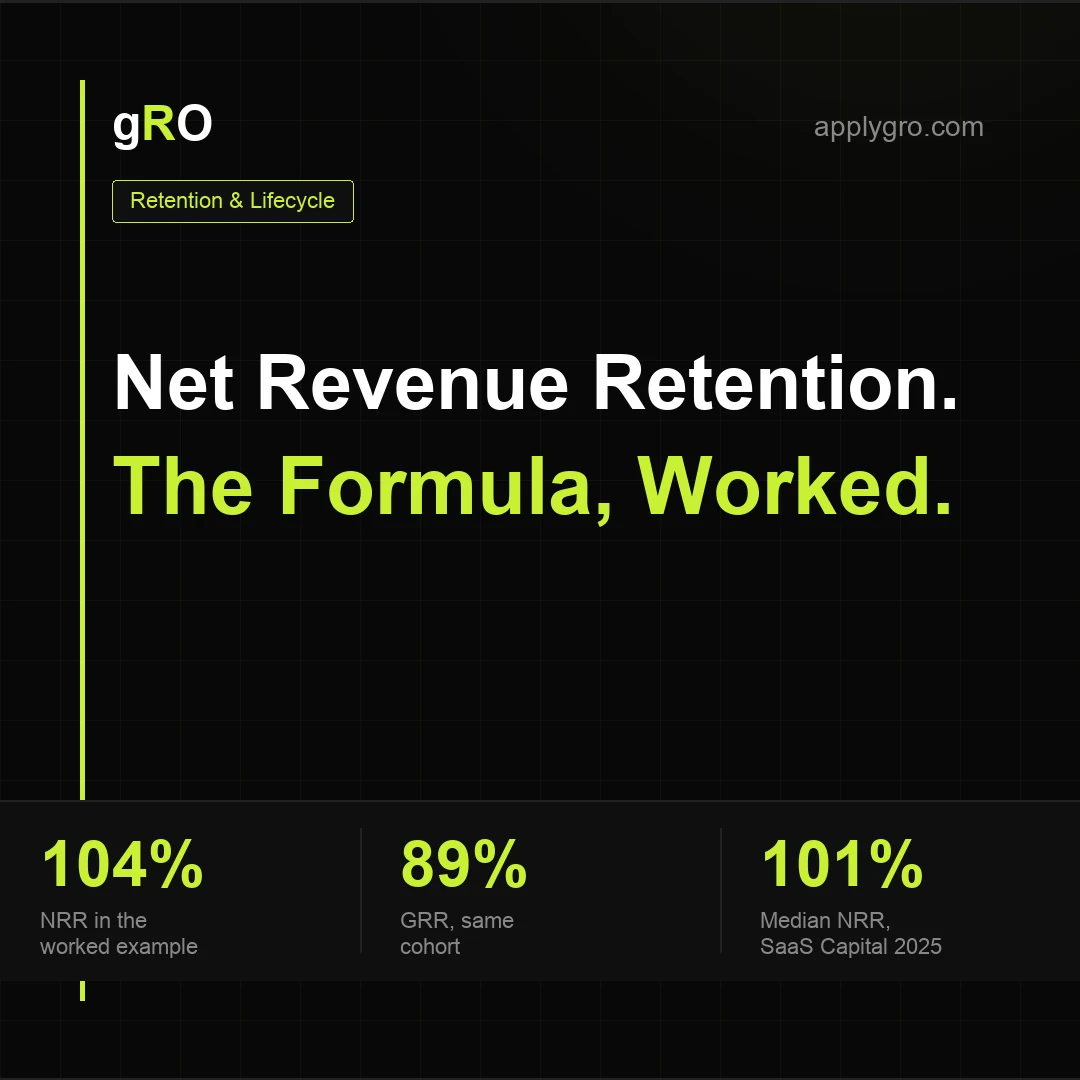
Net Revenue Retention: What It Means and How to Calculate It.
NRR is the share of a cohort's starting recurring revenue still there a year later, with expansion added and new customers left out. The formula, a worked example, the four errors that inflate it, 2025 benchmarks by ARR band, and a calculator.
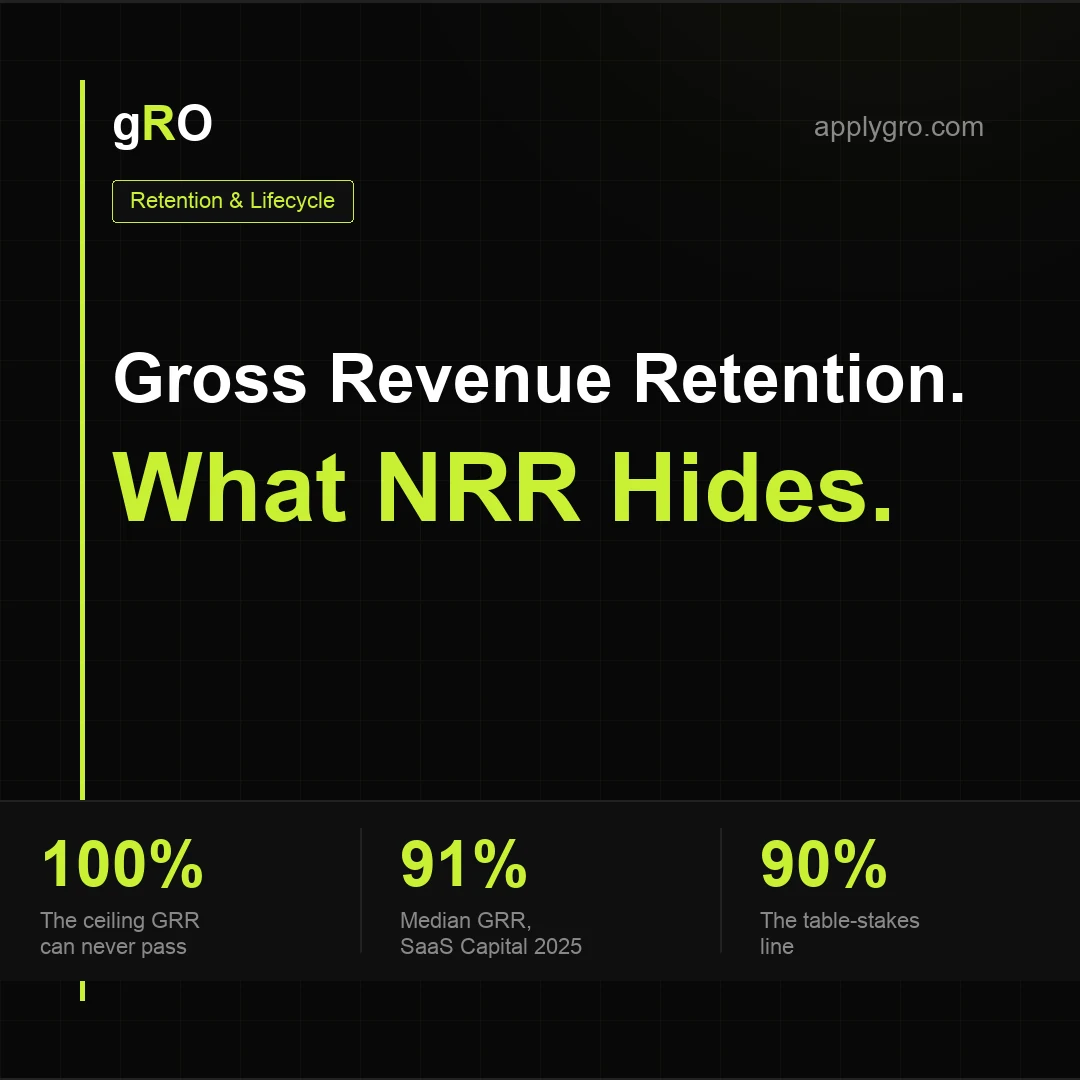
Gross Revenue Retention: The Formula, and What It Shows That NRR Hides.
GRR is the share of starting revenue kept after downgrades and churn, with expansion left out, so it can never pass 100%. The formula, a worked example, GRR vs NRR side by side, 2025 benchmarks, and the four things that drag it down.

Go-to-Market Strategy Is Five Decisions, Not Forty Slides
Segment, claim, channel, motion, economics. Each one has a failure mode attached, and the right-hand column of that table is a diagnostic: when growth is stuck, the symptom names the decision you skipped.
The GTM Engineer, and Why Nobody Can Tell You What It Pays
The five systems the role owns, how it differs from marketing ops and growth engineering, whether you need to code, and an honest answer on comp: the title is too new for a credible band, so price it from the inputs.

A Positioning Statement That Survives Your Sales Calls
Write the opposite of your statement. If no serious company would ever claim it, yours asserts nothing. The four-slot template, three worked examples, and why hyperbole cannot constrain anything.

Google Ads or Meta First? One Check Settles It.
Capture versus creation, decided by pulling real search volume rather than by opinion. Plus the measurement mistake that makes both channels look like they are failing when only one of them is.

Six Marketing Practices, Not Four Ps
The six working practices a revenue team runs on, what each looks like when a team actually does it, and exactly what breaks when one is missing. The 4 Ps are a 1960 checklist, not an operating manual.
21 Types of Marketing, and Which Ones You Should Skip
Every distinct marketing motion in four buckets, each with a plain verdict: use it when, skip it when. Written for teams under ten people who cannot run all 21 and should not try.
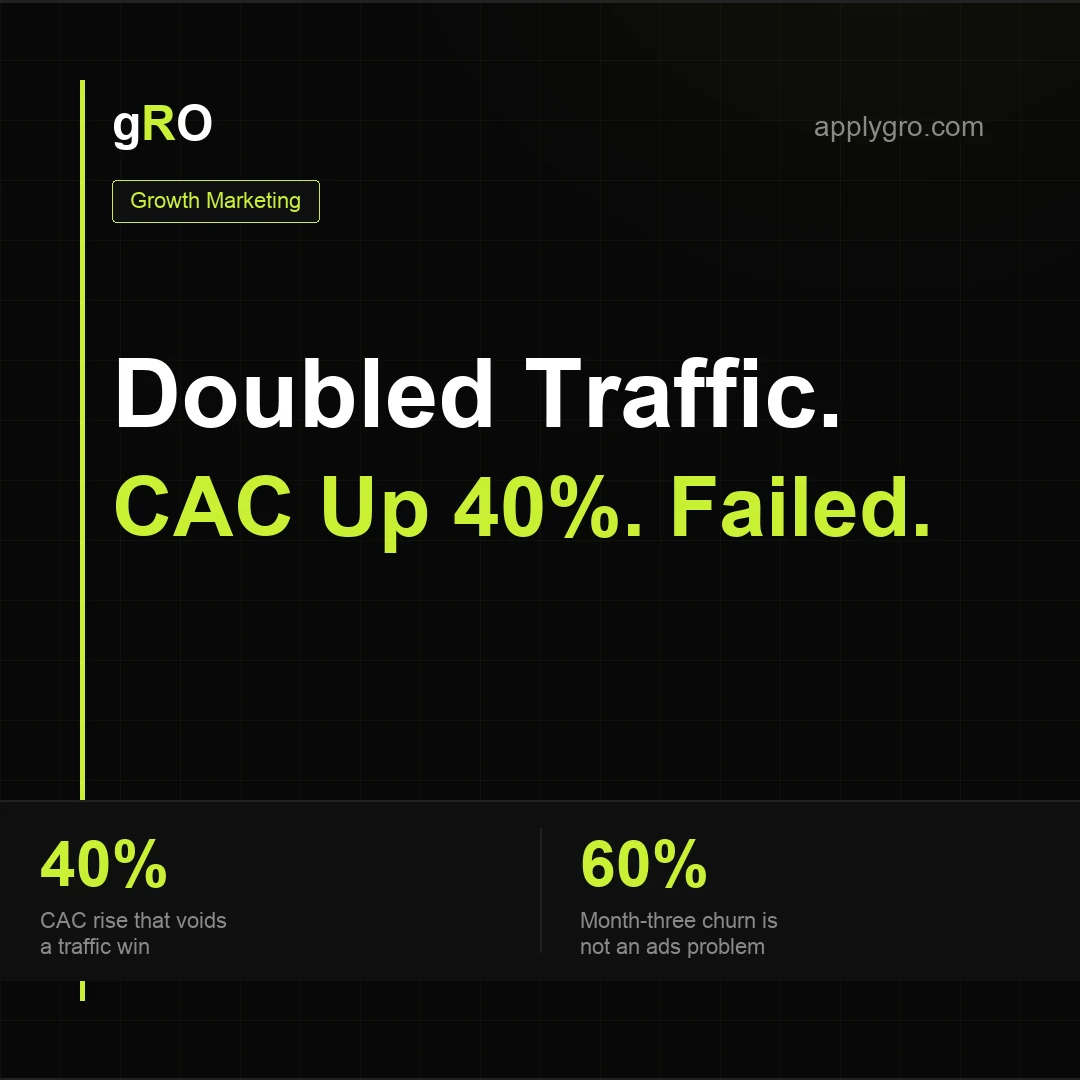
Growth Marketing, Defined by Someone Who Owns the Number
Most definitions were written by people who have never carried a pipeline number. A campaign that doubled traffic while CAC rose 40% is a failed campaign in this discipline, full stop.

The One-Page Marketing Strategy for a Business That Cannot Waste a Dollar
Five decisions, one page, ninety days. No 40-slide plan and no channel buffet — just the framework a small business can actually run, including what to do with no budget at all.
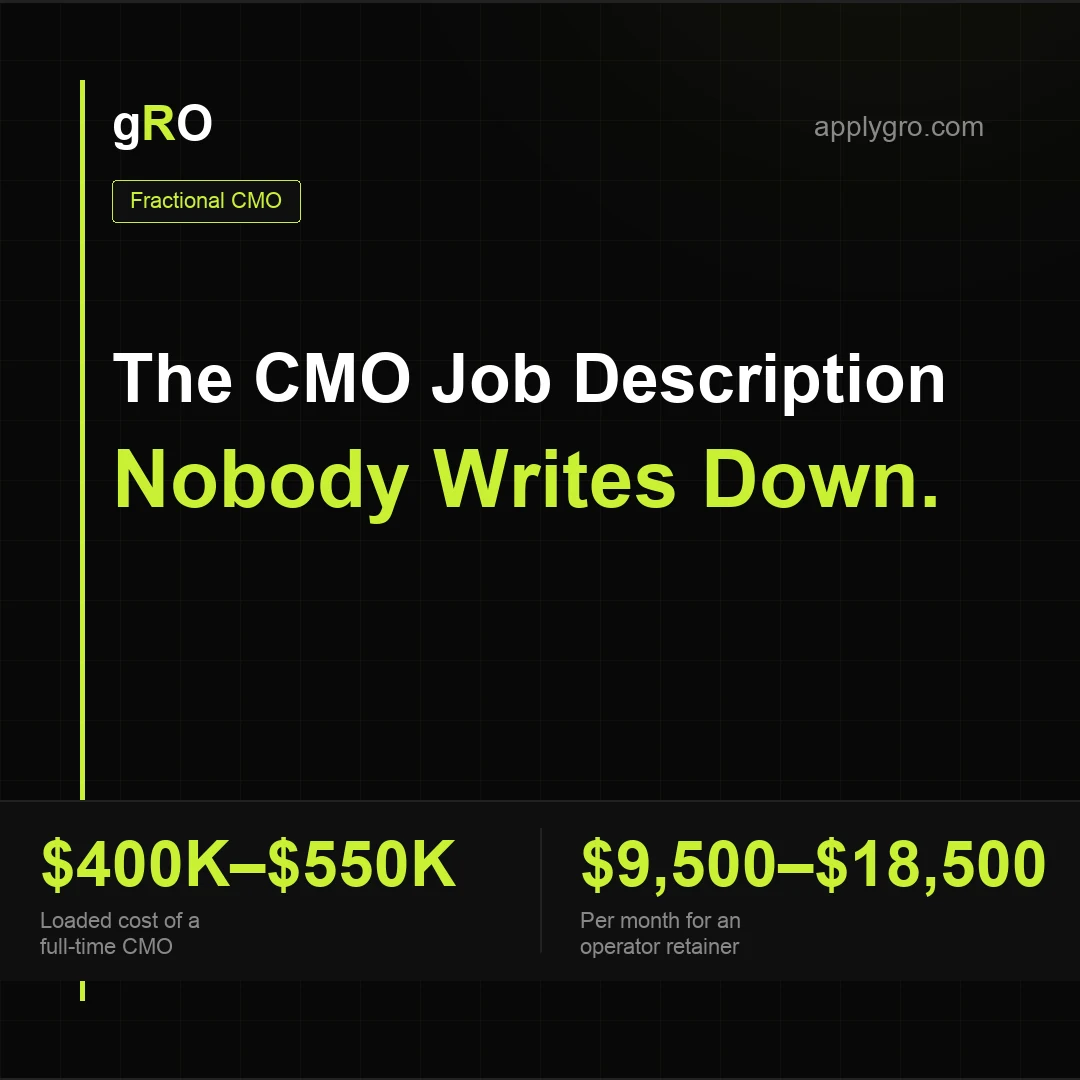
The CMO Job Description Nobody Writes Down
Revenue narrative, org design, budget allocation, board reporting. The real chief marketing officer job, and a table showing who actually does the hands-on work once you have hired one.

In-House vs. Agency: Run the Numbers Before You Pick a Side
One loaded-cost table, five columns nobody puts side by side — monthly cost, senior time, execution, ramp, walk-away risk — then an honest accounting of what each option really buys.

Hiring a Small Business Marketing Consultant? Read This First
The rates, the deliverables that actually matter, and the five questions that separate a consultant who moves revenue from one who sells you a deck and disappears.

How Much Should a Small Business Spend on Marketing?
Benchmark percentages by revenue band, what those dollars actually buy at your level, and a calculator that turns annual revenue into a monthly number you can defend.
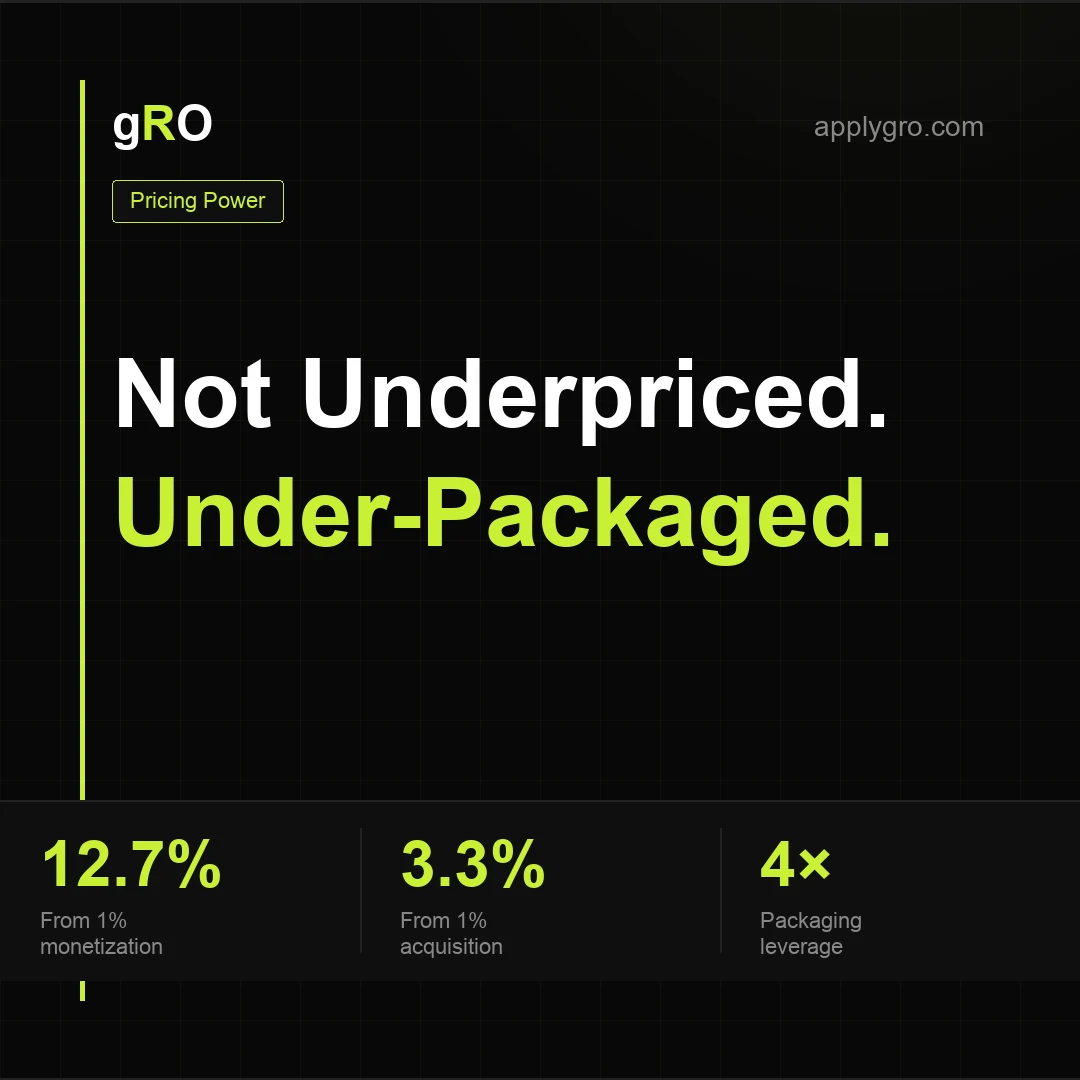
Under-Packaged, Not Underpriced.
Across 512 SaaS companies, a 1% gain in monetization moved the bottom line 12.7% vs 3.32% for acquisition. Why packaging beats buying more customers — and how to fix it.
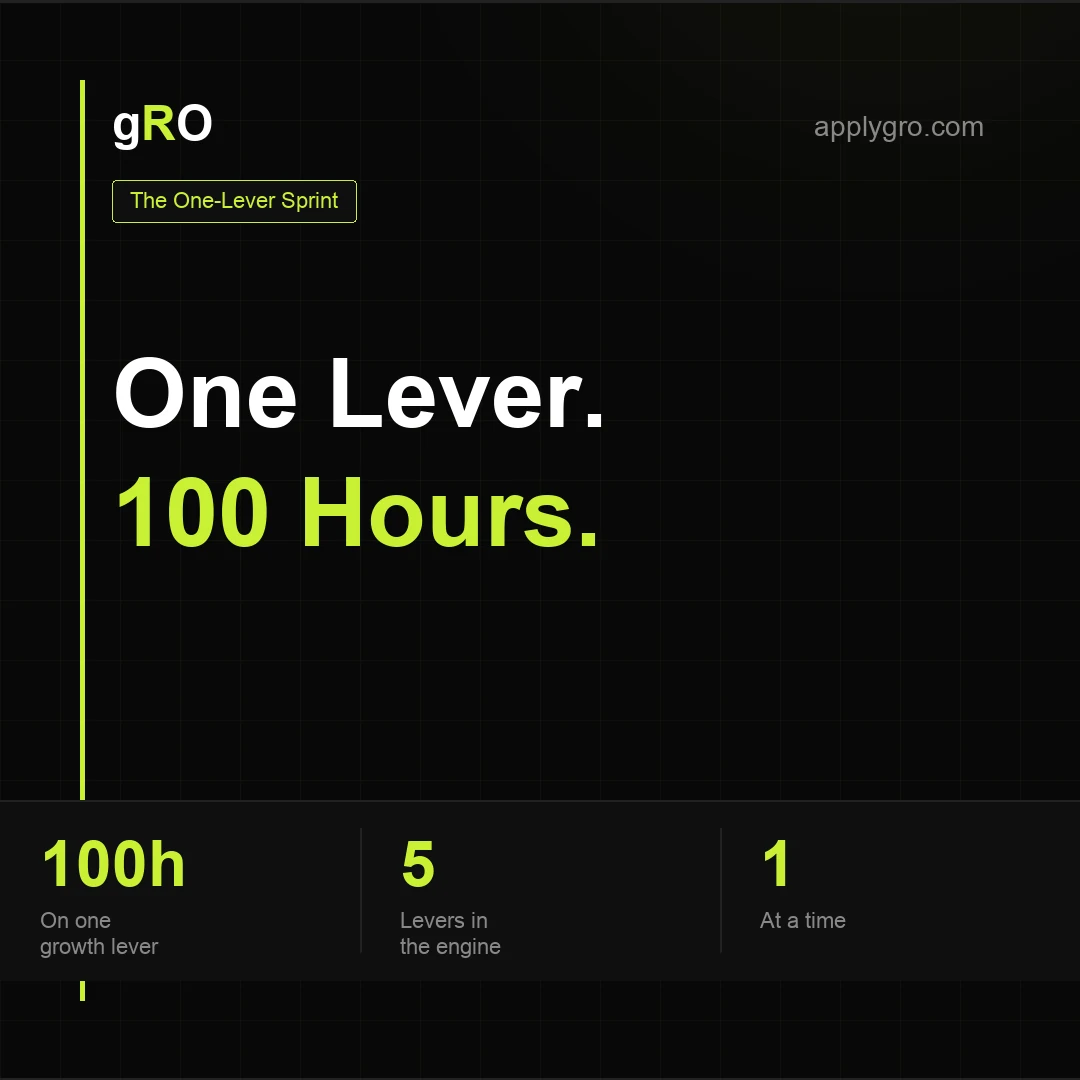
The 100-Hour Growth Sprint.
A growth sprint is roughly 100 hours of focused effort on one lever — audience, engagement, conversion, brand, or retention. Why compounding focus beats spreading thin.
The SaaS Efficiency Reset.
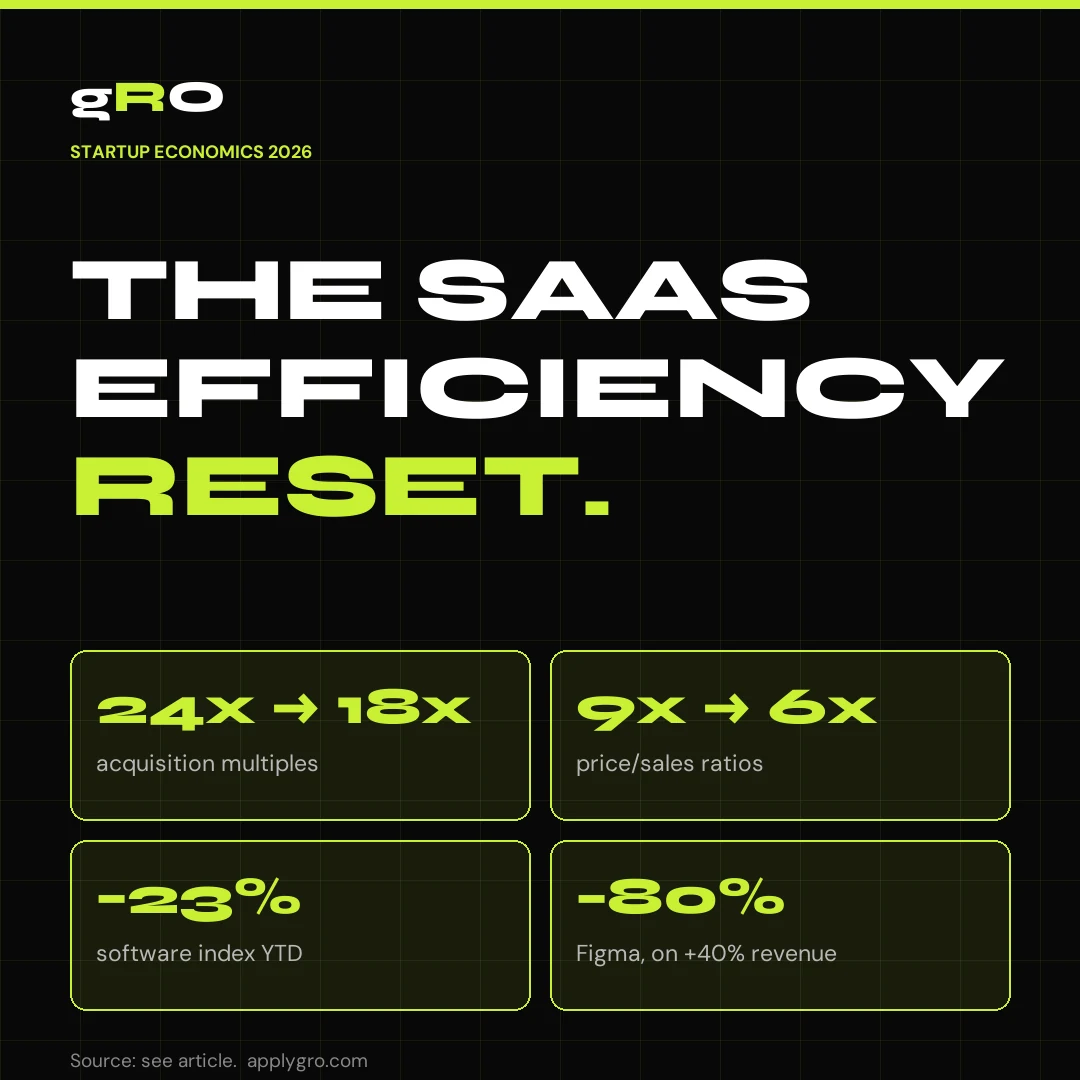
SaaS multiples fell 24x→18x; price/sales compressed 9x→6x; Figma dropped 80% while growing revenue 40%. The market changed the question from how fast you grow to how efficiently. Where your next dollar compounds now.

Headcount Is Not Valuation.
Angel investors funded ~1,000 startups in 2024. Valuation per employee is flat until Series C, dips at Series B as companies bulk up on go-to-market hires, and two-thirds of funded companies run on ≤15 people. The market prices output density, not headcount.
The Funding Records Are a Trap.
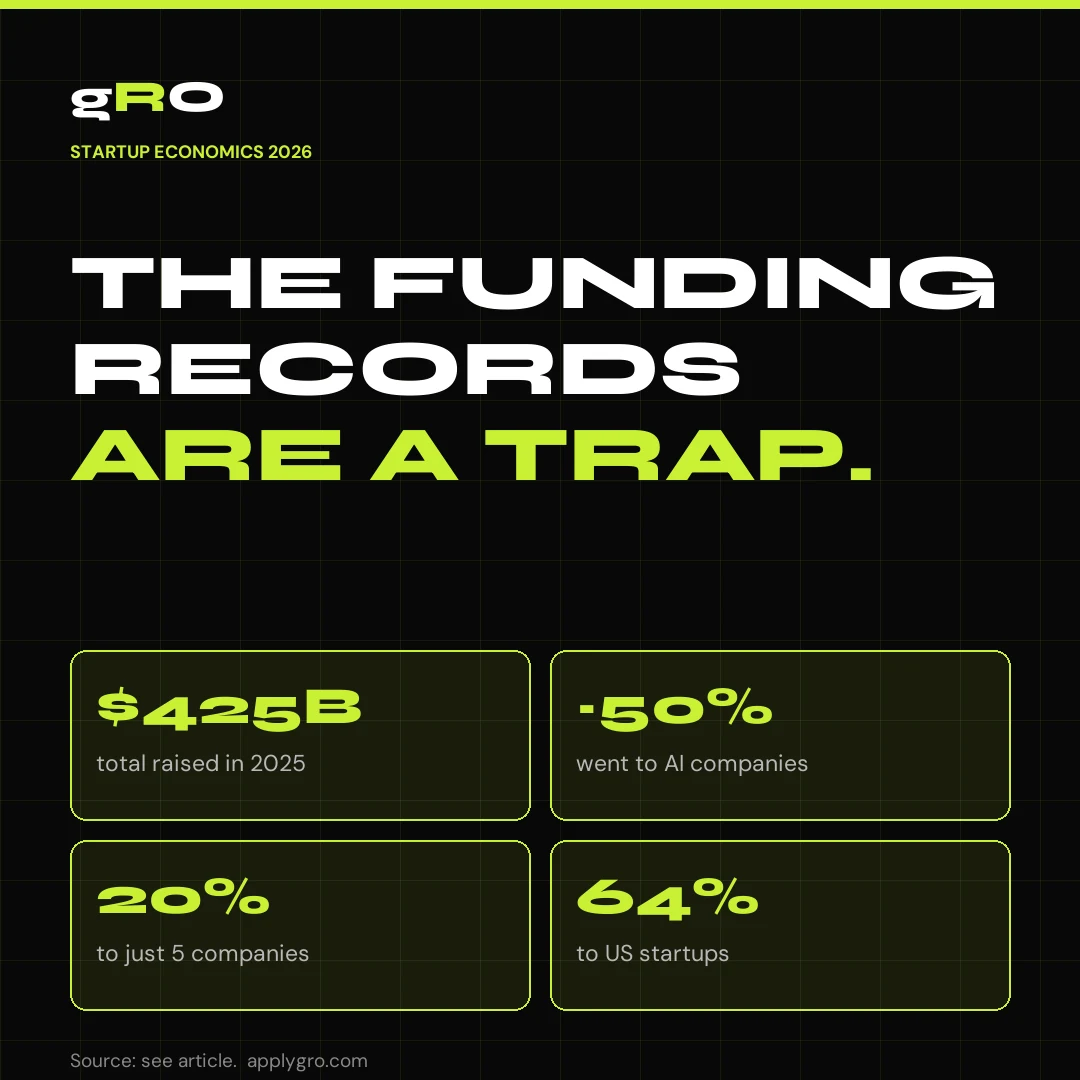
2025 set every venture record — $425B deployed, the largest round in history, ~50% to AI, 20% to five companies. For a $1M–$10M ARR founder not raising a $40B AI round, those records are a mirage. The market you actually operate in repriced down 24x→18x.
OLG Isn't Just for B2B SaaS.
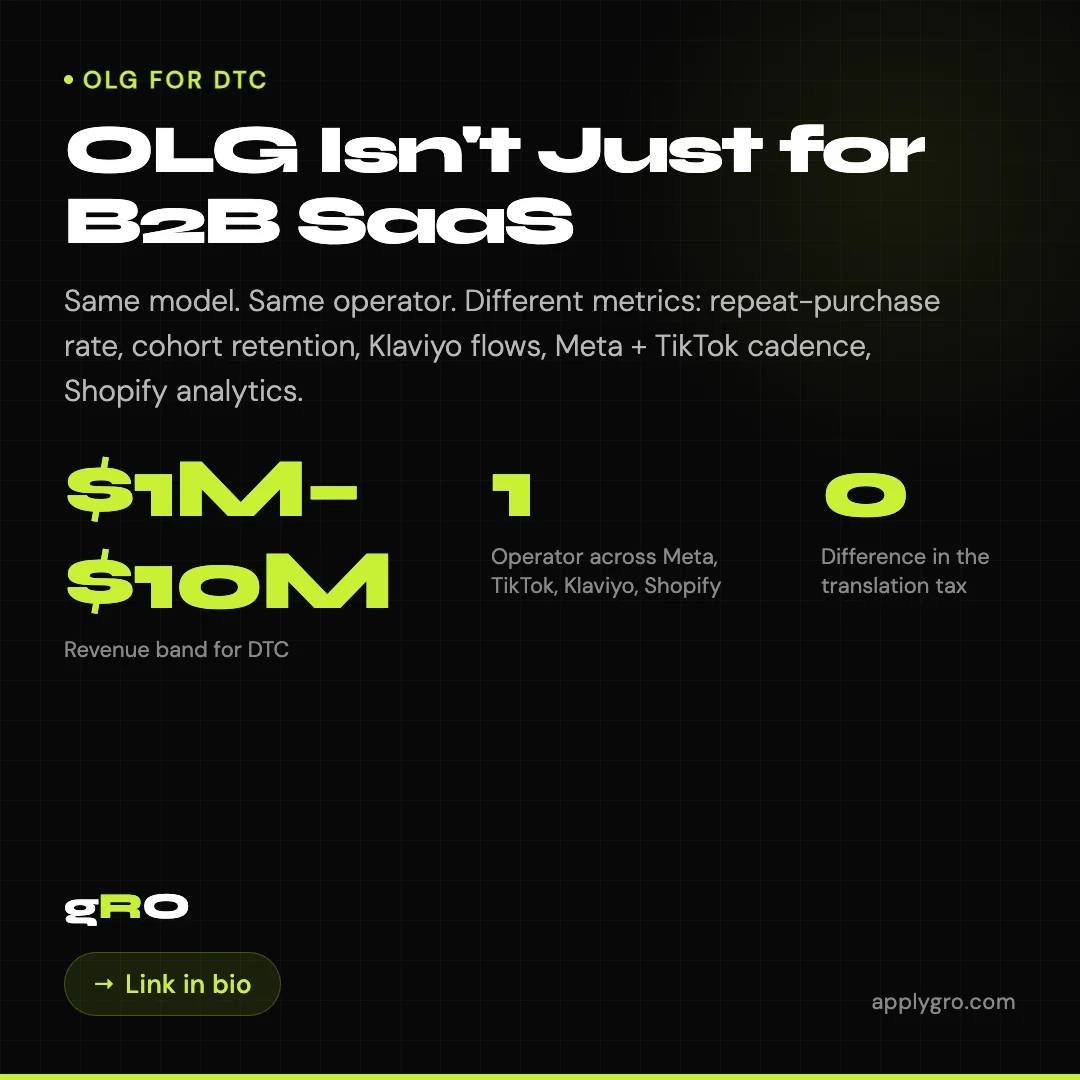
Same model. Same operator. Different metrics: repeat-purchase rate, cohort retention, Klaviyo flows, Meta + TikTok cadence, Shopify analytics.

Operator-Led Growth — A New Model for B2B and B2C.
A new model for $1M–$10M founders. One senior operator owns strategy AND execution. An agent fleet handles production. Six standards define the model.
Prove the Curve. Then Staff It.
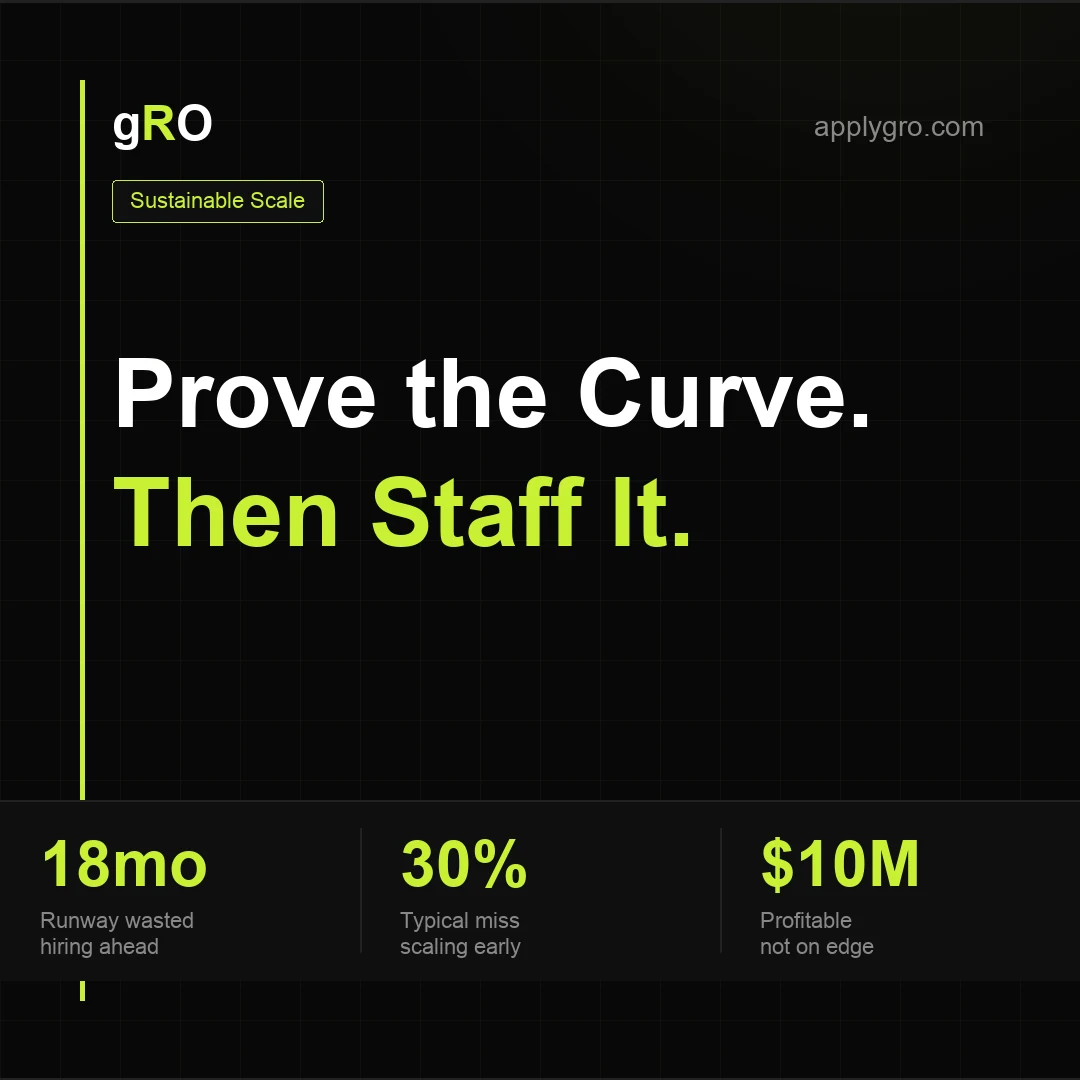
The fastest way to kill a $3M SaaS is hiring the $10M team before the revenue exists. Sustainable scale, explained.
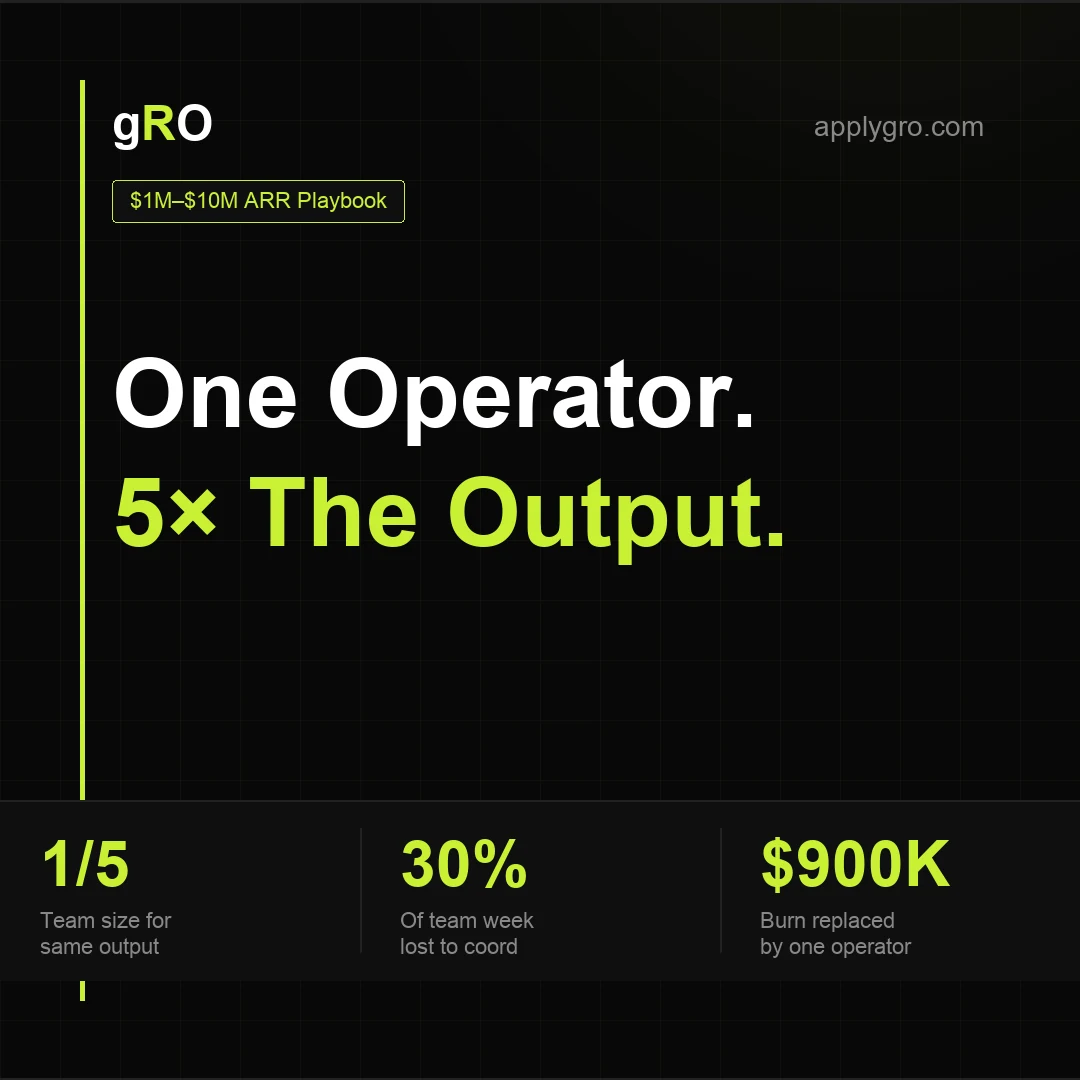
One Operator. Five Marketers of Output.
The $1M–$10M ARR growth manual — same output as a 5-person team without the $900K burn or coordination tax.

Three Teams. Three Roadmaps. Zero Alignment.
Marketing, Product, and Sales running from different playbooks is the default at $1–10M ARR. Shared experimentation is the fix.
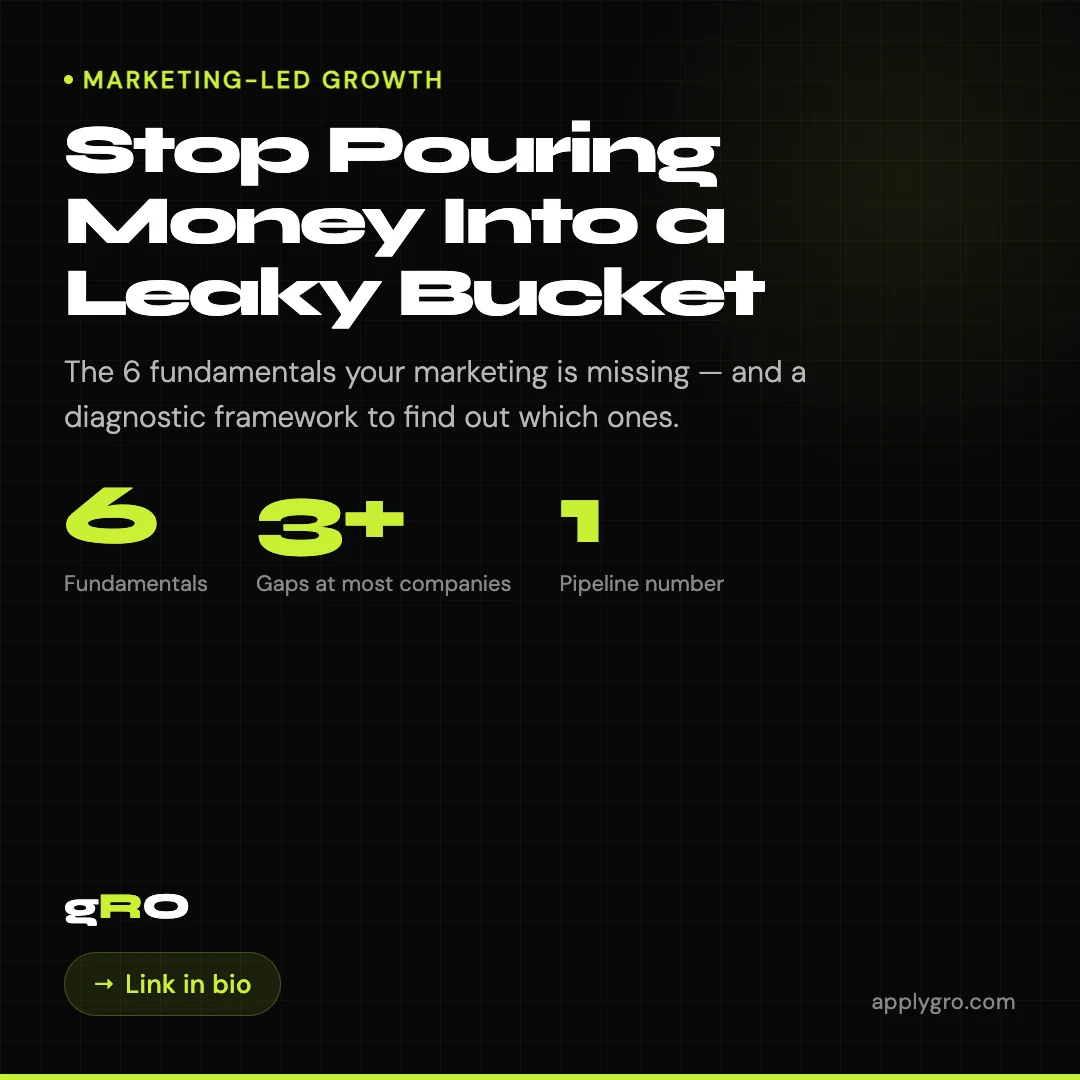
Stop Pouring Money Into a Leaky Bucket.
Rising CPL? Stalling pipeline? The campaigns aren't broken — the foundation is. The six fundamentals missing underneath them.
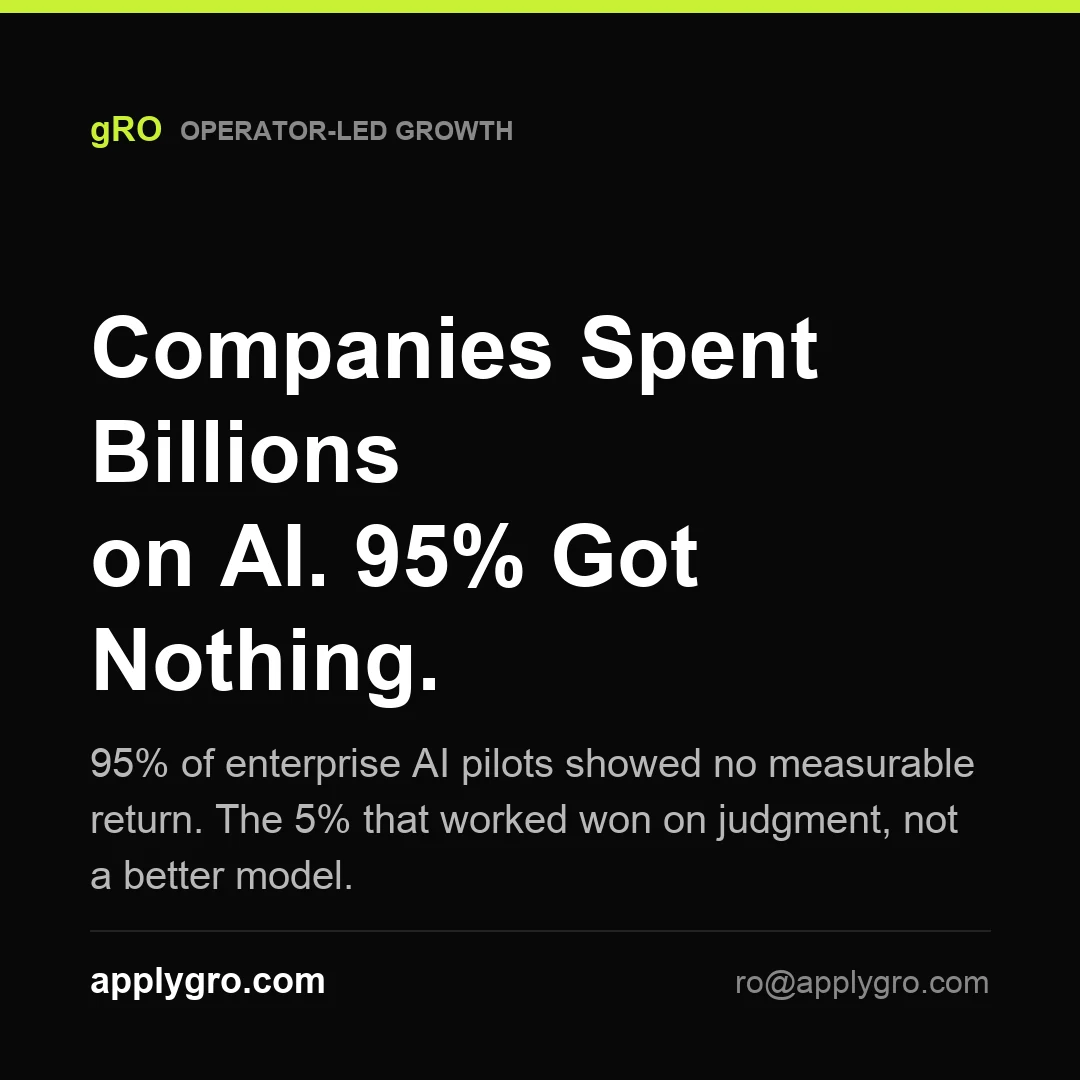
Companies Spent Billions on AI. 95% Got Nothing Back.
MIT found 95% of enterprise generative-AI pilots produced no measurable return; only ~5% captured real value. The difference wasn't the model — it was judgment and process.

The Market Stopped Pricing Your Headcount.
Top-quartile B2B SaaS runs ~$279K ARR per employee vs a ~$141K median, and the median jumped ~29% in a year. Output density, not headcount, now sets your valuation.
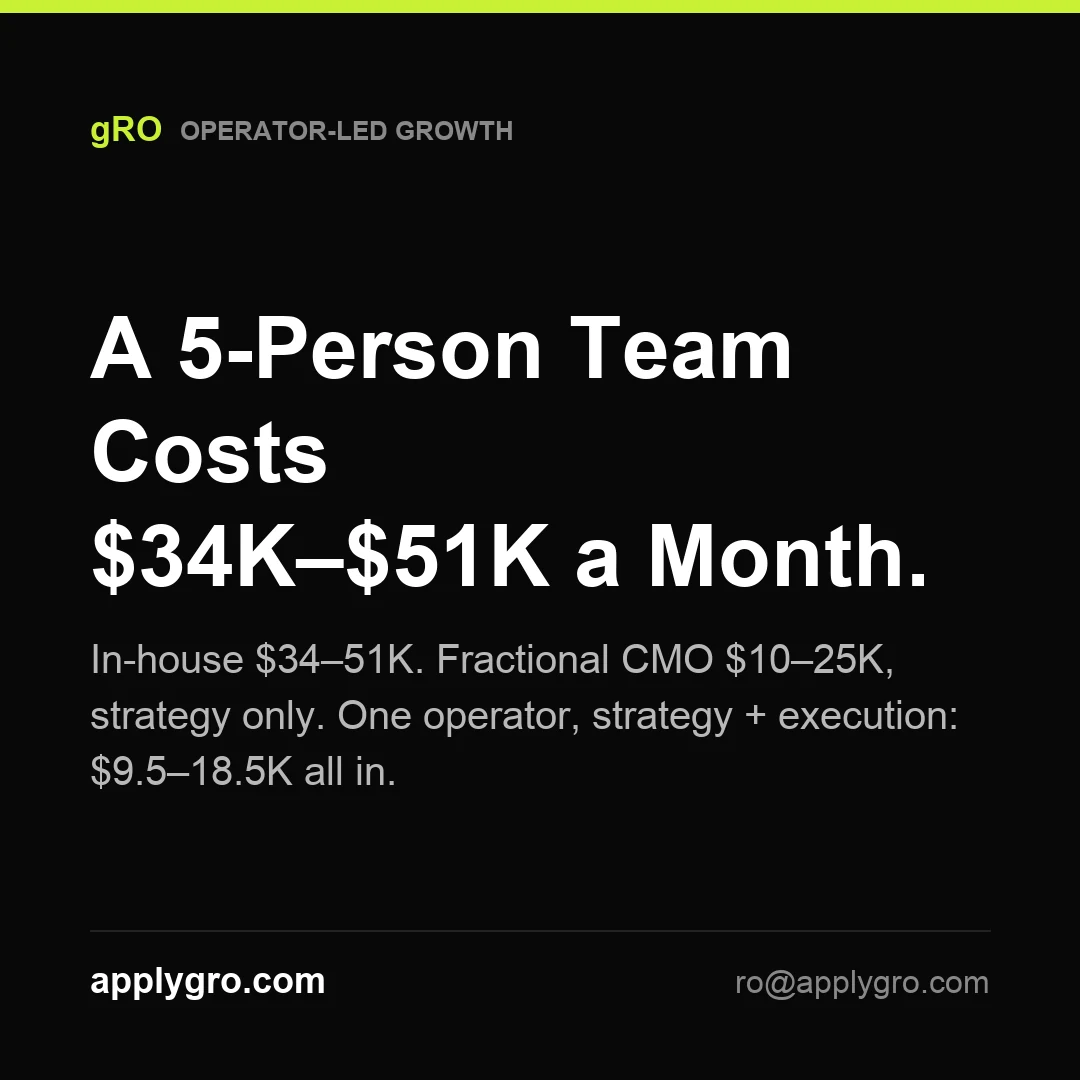
A 5-Person Marketing Team Costs $34K–$51K a Month.
In-house team: $34–51K/mo. Fractional CMO: $10–25K/mo for strategy only. One senior operator, strategy and execution: $9,500–$18,500 all in — published price. The real cost comparison.

Revenue Bands to Lead Scores: The 25 / 10 / −10 / 0 Rubric.
In-ICP revenue band: +25. Adjacent: +10. Out-of-band: −10. Unknown: 0, never negative. The four-number firmographic rubric, how a nine-band vendor ladder from $0–1M to $200M+ collapses into it with first-match rules (SQL, JavaScript, Sheets), a scorer for your own bands, and a free 22-page field guide.
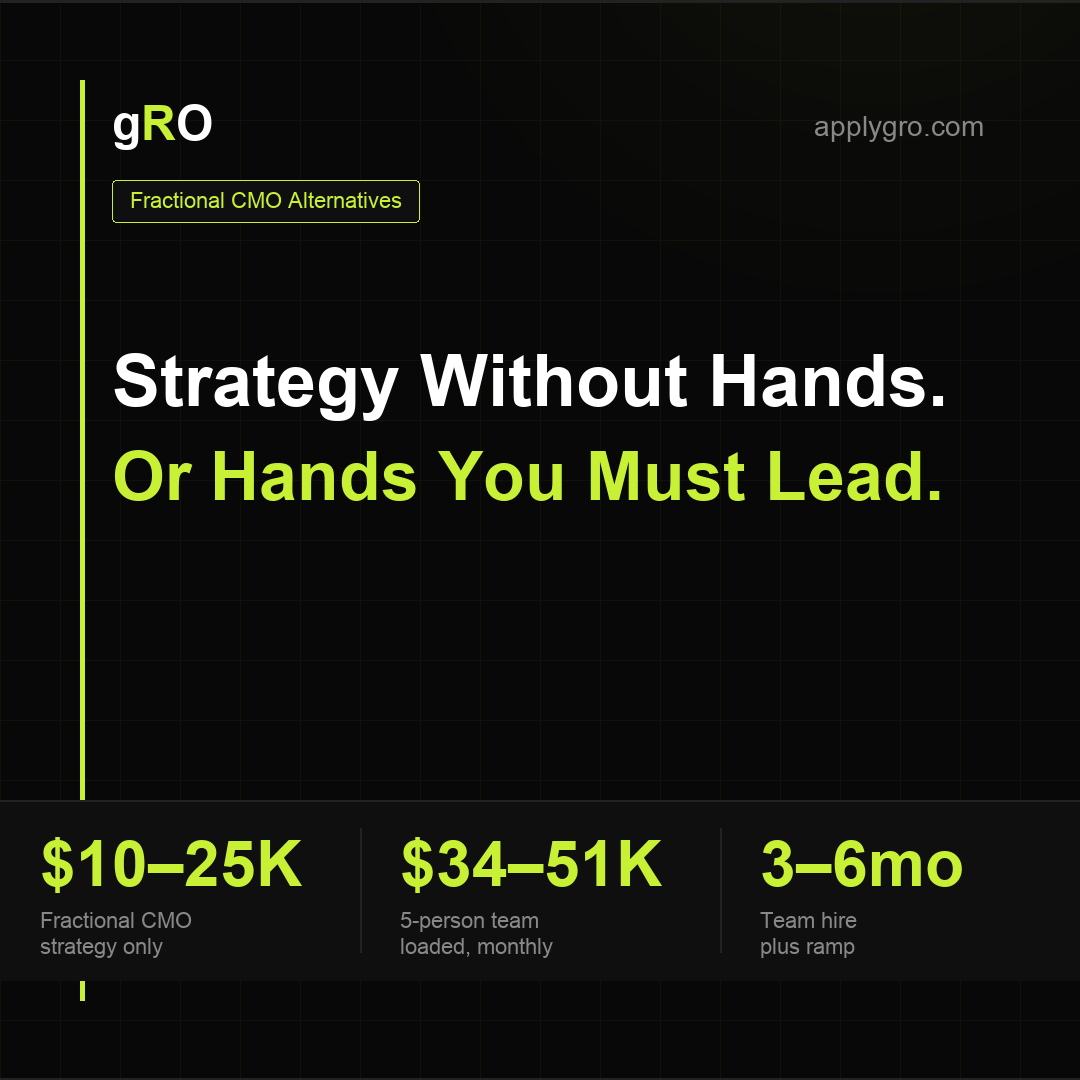
Fractional CMO vs In-House Team: The Honest Comparison.
A fractional CMO ($10–25K/mo) buys strategy without hands. An in-house team ($34–51K/mo loaded) buys hands you still have to lead. The cost table, the ramp reality, and the trap in choosing between them.
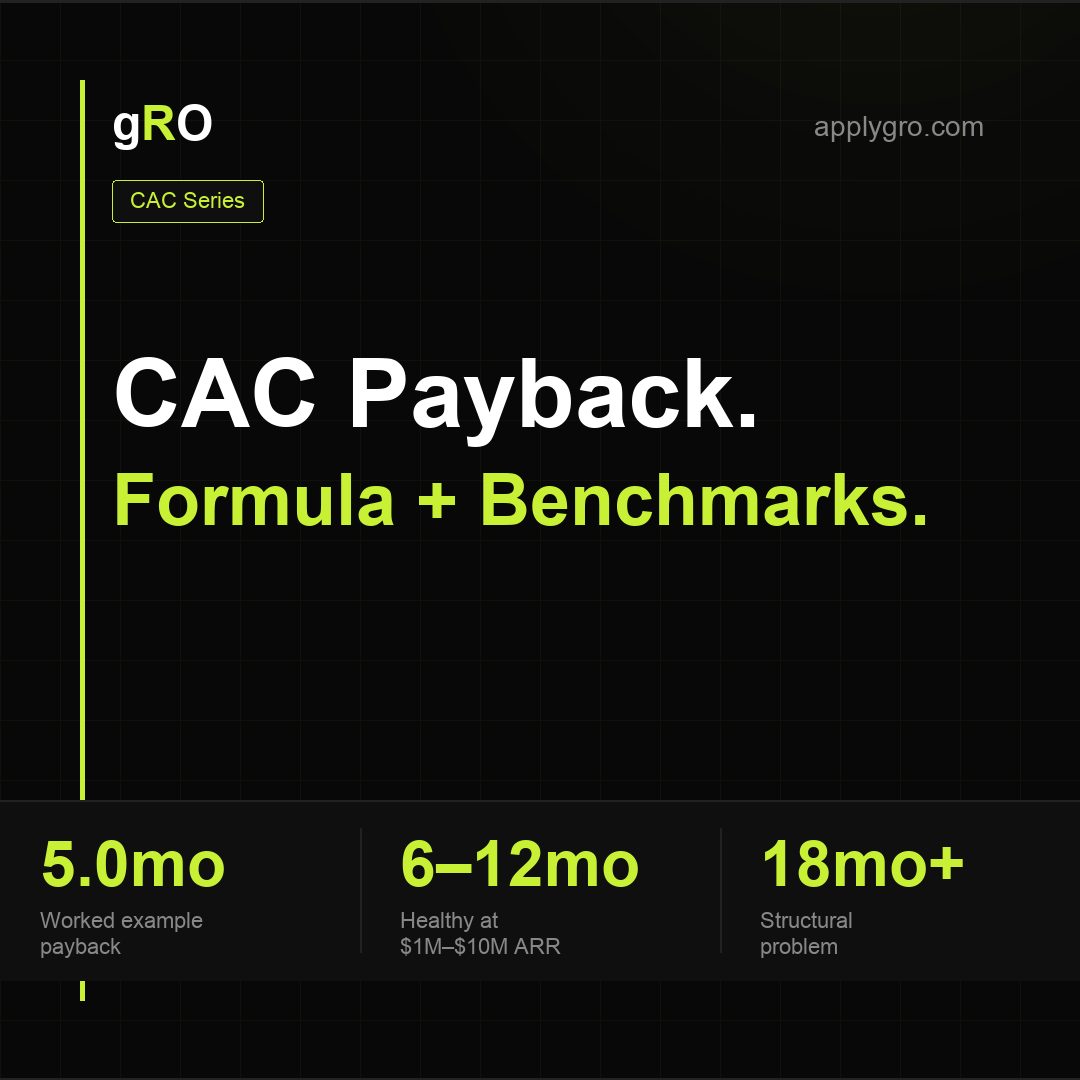
SaaS CAC Payback Period: Formula & Benchmarks by Stage.
CAC ÷ monthly gross profit per customer = payback in months. A worked example at $4M ARR, healthy ranges by ARR stage, and the three structural drivers — ACV, CAC, gross margin — that actually compress it.